Locating the Optimal Engine for Sale: Guidance for Picking the Correct Substitute
When looking for the finest engine, careful consideration is crucial. Alignment with the car is essential, taking into account bore and stroke, engine power, and fuel choice. The decision between new or used engines can greatly impact both finances and power. Comprehending multiple engine details can aid in limiting choices. However, the procedure doesn't stop there; evaluating warranty options and seller dependability is equally important. What are the next steps in securing a smart purchase?
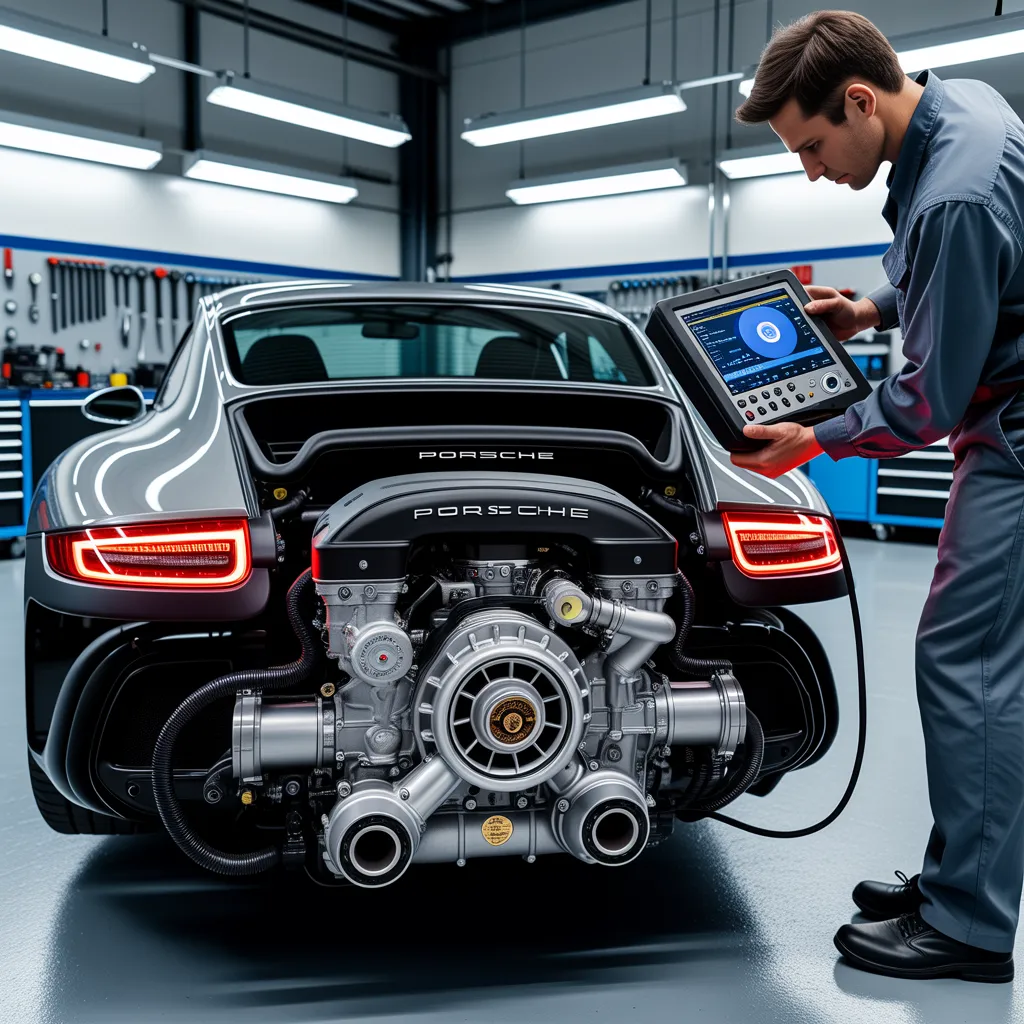
Assessing Engine Compatibility: Essential Factors to Examine
When assessing engine compatibility, what critical factors should be considered? First, one must consider the engine's specifications, including displacement, horsepower, and torque ratings, guaranteeing they match the vehicle's requirements. Next, the engine's mounting points and transmission compatibility are critical; mismatches can lead to significant installation challenges. Additionally, the type of fuel the engine requires—gasoline, diesel, or alternative fuels—must be compatible with the vehicle's existing systems.
Another key aspect is the emissions standards of the engine; it is crucial to decide on an engine that adheres to local regulations. Moreover, the year, make, and model of both the vehicle and engine should be compatible to eliminate compatibility issues. Finally, the condition of the engine, including mileage and service history, should be inspected to confirm reliability and performance longevity. These elements support in opting for an engine that will perform seamlessly within the vehicle.
Grasping Engine Types: Choosing What Suits Your Vehicle?
How can one pinpoint which engine variety works best with their automobile? Grasping the different engine types is essential for reaching an informed decision. The main categories consist of inline, V-type, and flat engines, each delivering distinctive benefits. Inline engines are often compact and fuel-efficient, making them suitable for smaller automobiles. V-type engines, recognized for their power and torque, are commonly installed in larger cars and trucks. Flat engines, while scarce, deliver a lower center of gravity, improving stability.
Additionally, engine size and arrangement should be considered. A greater displacement typically generates more power but may lead to decreased fuel efficiency. Conformance with the vehicle's transmission and overall layout is vital; mismatches can lead to performance issues. Researching the manufacturer's specifications can deliver helpful guidance into which engine will smoothly fit into the vehicle, ensuring peak performance and reliability.
New vs. Used Engines: Which One Works Best?
When evaluating new versus used engines, price is a major factor in the purchasing decision. New engines typically come with guarantees that offer reassurance, while used engines often don't have such coverage, resulting in potential risks. Assessing these considerations is crucial for anyone seeking to make an educated decision.
Budget Considerations
Selecting between a new or used engine needs careful consideration of the costs and benefits involved. A new engine commonly comes with a higher price tag, demonstrating its excellent condition and performance reliability. Buyers frequently account for the longevity and potential fuel efficiency of a new engine, which might justify the initial investment. In contrast, used engines offer a more affordable alternative, often found at substantially reduced prices. However, they may pose risks like unknown wear and tear or previous damage. The overall cost-effectiveness of a used engine can be appealing, especially for older vehicles. Ultimately, the decision can depend on the buyer's financial situation, vehicle age, and long-term plans, weighing immediate costs against find the facts potential future expenses.
Warranty Contrasts
The variations between new and used engine guarantees can greatly influence a buyer's decision. New engines usually arrive with comprehensive guarantees, frequently spanning from three to five years, covering parts and labor for any production defects. This guarantee offers peace of mind for purchasers, particularly those who prioritize dependability. In comparison, used engines may provide limited or no guarantee, depending on the seller. While some reputable dealers offer short-term guarantees, the coverage is generally less thorough. Purchasers must weigh the cost savings of a used engine versus possible maintenance expenses. Ultimately, the decision between new and used copyrights not only on finances but also on the buyer's tolerance for risk and preference for long-term dependability.
How to Examine Engine Efficiency Parameters?
In what way can one reliably measure engine specs? To start, it is essential to analyze main parameters like hp, torque, and fuel efficiency. Horsepower shows the engine's power output, while torque demonstrates its ability to generate force, notably during rapid movement. Analyzing these numbers in context of the vehicle's heft can reveal information about total functioning.
Furthermore, prospective buyers should evaluate the engine's RPM range, as this impacts driving experience and efficiency. A broader RPM range can improve adaptability in different driving conditions. It is also recommended to review manufacturer specifications and performance tests, which offer benchmarks for comparison.
Additionally, comprehending the engine's technology—such as turbocharging or hybrid systems—can affect efficiency and performance. In conclusion, reviewing reviews and testimonials from other customers offers practical knowledge, ensuring an well-considered choice when selecting the best substitute engine.
What Guarantee Alternatives Are Accessible?
When buying an engine, understanding warranty options is crucial for long-term contentment. Buyers should evaluate the various kinds of engine warranties, the elements affecting their duration, and whether these warranties are assignable. Additionally, it is important to be cognizant of any limitations that may impact coverage.
Types Of Engine Warranties
Numerous engine warranties are accessible to customers, offering varied levels of safeguarding and protection alternatives. Standard coverage typically cover engine elements for a finite duration, ensuring essential components are defended against flaws. Expanded coverage furnish more comprehensive coverage, often including elements and labor for a protracted duration. Some manufacturers and dealers provide lifetime warranties, which can be desirable for extended vehicle owners. Additionally, powertrain warranties protect critical elements like the engine, transmission, and drivetrain, providing expansive protection. It is vital for customers to carefully evaluate the terms and conditions of each warranty, as restrictions and constraints may apply. Learning about the various kinds of warranties can help in making an well-considered choice when purchasing a replacement engine.
Protection Duration Factors
When examining engine warranties, customers should weigh multiple factors that shape the period of each option provided. The category of engine—whether new, remanufactured, or used—frequently determines the warranty timeframe. New engines typically come with extended warranties, from three to five years, showing the manufacturer's confidence in their product. Remanufactured engines may present shorter warranties, typically ranging from one to three years, because of the nature of the refurbishment process. Moreover, the warranty coverage can vary; certain options may cover only specific parts while alternative options supply broad protection. In conclusion, the reputation of the manufacturer or retailer can prove an essential role, as established brands often extend longer warranty periods to build customer trust and satisfaction.
Transferability And Boundaries
Grasping warranty options extends beyond span; it also incorporates transferability and limitations tied with different engine types. Some manufacturers extend warranties that are transferable to subsequent owners, enhancing the engine's resale potential. However, not all warranties feature this feature, which can limit appeal for future buyers. In addition, limitations often set forth conditions under which the warranty holds valid, such as installation by certified professionals or usage within specific guidelines. Buyers should carefully review these terms to avoid potential pitfalls. Moreover, certain warranties may only cover parts and not labor, which can prompt to additional costs. Ultimately, understanding these factors is vital for making an informed decision when purchasing a replacement engine.
How Can You Plan Your Spending for an Engine Replacement?
In what manner can one accurately determine a budget for an motor swap? First, it is essential to research the standard expenses connected to the specific engine type and model. This includes both new and pre-owned engines, as well as reconditioned choices. Additionally, expected service charges should be considered, as fitting can change substantially depending on the car and the service professional's skill.
Next, one should account for any additional costs such as oil, coolant, and other fluids, as well as new parts that may be needed during the installation process. It is also sensible to set aside a backup reserve, usually around 10-15% of the total anticipated budget, to account for unexpected expenses that may arise during the substitution.
In the end, evaluating personal financial circumstances will help in determining what can be reasonably spent. This detailed approach ensures a realistic budget for an engine replacement, decreasing financial strain.
Discovering Dependable Merchants for Quality Engines
Spotting dependable dealers for quality components is important for a successful upgrade. Interested buyers should start by exploring vendors with a strong reputation in the transportation industry. Digital testimonials and feedback can provide helpful insights into customer satisfaction and the seller's reliability. It is advisable to prefer dealers who offer protection, as this indicates confidence in their products.
Additionally, experienced sellers often share in-depth details about the units they offer, including performance data, odometer readings, and upkeep records. Connecting with merchants personally can also illustrate their proficiency and willingness to assist. Purchasers should clarify warranty terms and logistics arrangements to guarantee a trouble-free purchase.
Local dismantling centers can also be a prime option, often making available engines at competitive prices. Ultimately, thorough research and careful consideration of vendor credentials will help confirm that consumers find a quality engine for their particular needs.
Frequently Asked FAQs
What timeframe Should You anticipate for an Engine Replacement?
An engine overhaul typically takes between 6 to 12 hours, according to the vehicle's make and model, the mechanic's experience, and any supplementary repairs needed. Timeframes may shift based on specific conditions and shop productivity.
What Instruments Are Needed for Engine Placement?
Required tools for engine installation include a socket set, wrenches, engine hoist, torque wrench, screwdrivers, pliers, and an oil pan. These tools facilitate appropriate handling, fastening, and linking components during the installation process.
Is it possible to set up the Engine on My Own?
Yes, one can put in the engine themselves, if they possess the needed skills and tools. Adequate knowledge of engine mechanics and a clear understanding of vehicle specifications are crucial for a successful installation.
What may I Do if the Engine stops working After being replaced?
If the engine ceases to function after replacement, the individual should begin by contacting the warranty provider, then assess installation quality. Professional inspection may be necessary to determine underlying issues, ensuring correct actions for resolution and potential restoration.
Can you locate credit plans for motor purchases?
Of course, various funding solutions exist for engine buys, encompassing loans from banks, credit unions, and dedicated auto lenders. Many vendors also provide financing options, helping purchasers to manage costs efficiently throughout the timeframe.